
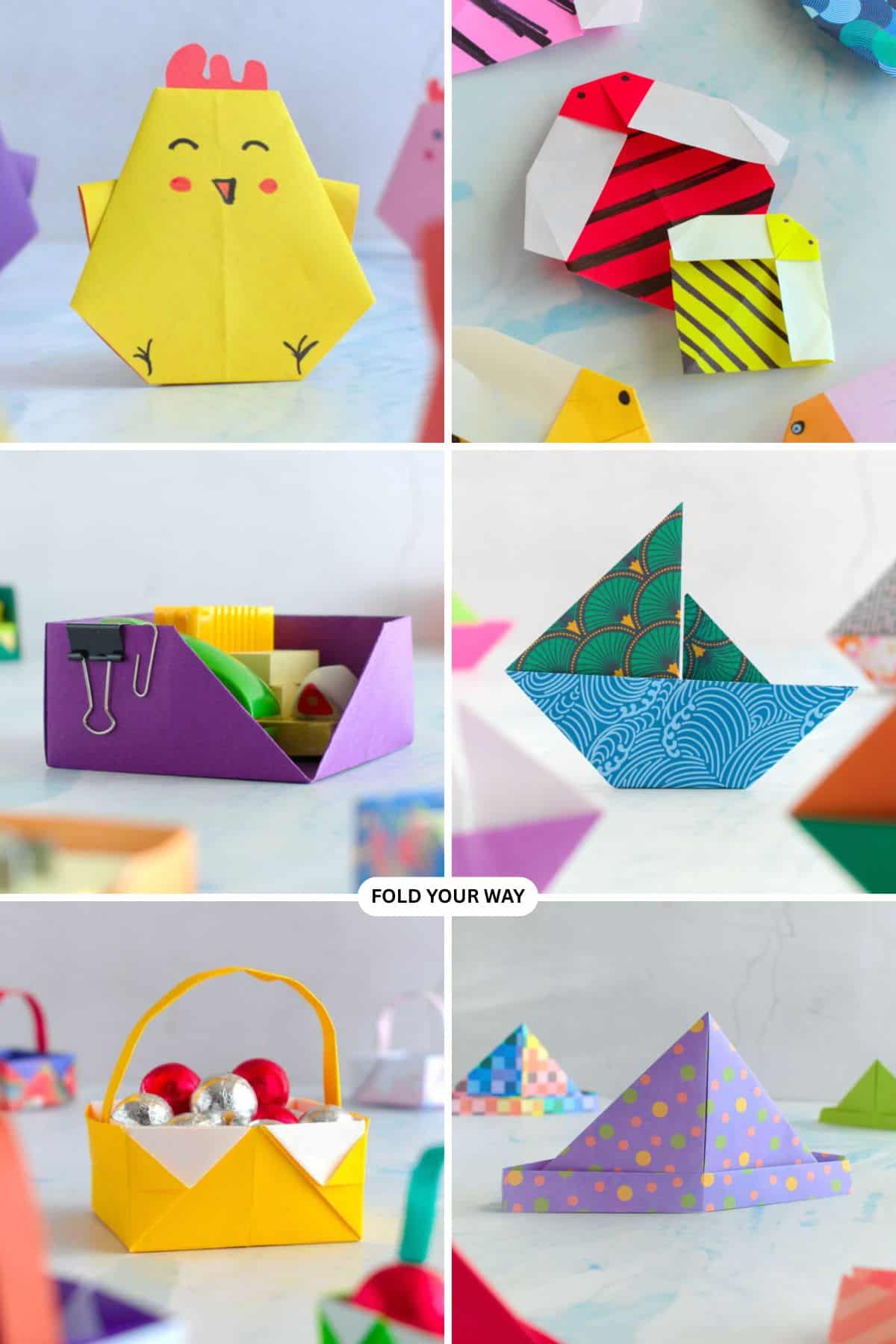
Easy origami and simple paper craft ideas are a simple way to turn everyday paper into creative folds, from basic shapes to small decorative projects you can actually finish in minutes.
Jump to:
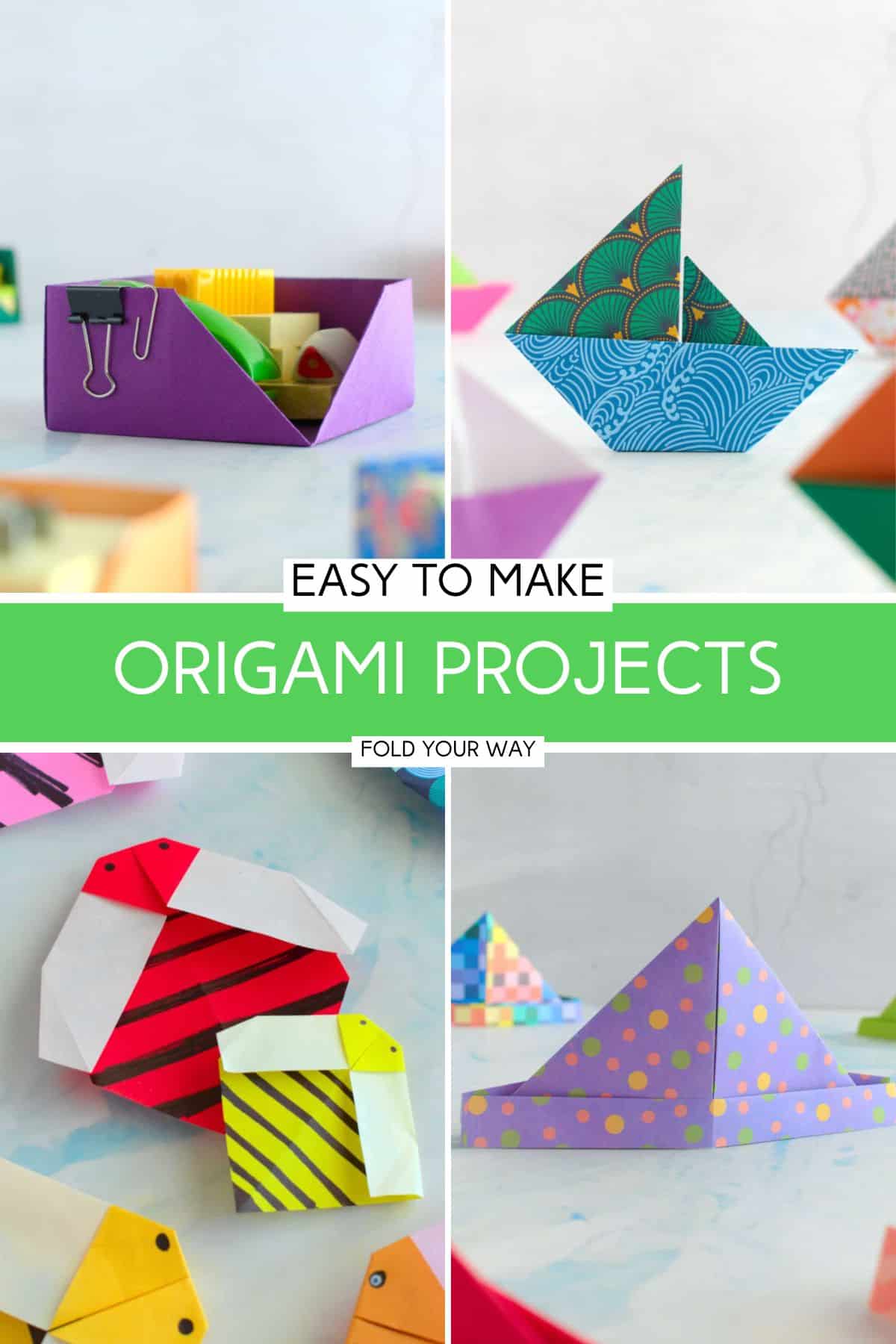
This page brings together easy origami and simple paper craft ideas for moments when you want something creative but not complicated.
It’s a mix of basic folding techniques, approachable step-by-step projects, and simple paper crafts that feel more like relaxed making than structured learning.
The focus is on keeping things accessible - projects you can start without preparation, revisit casually, or use as a gentle way into origami if you’ve never really tried it before.
Most people don’t really start origami with a plan, it usually begins with curiosity. A spare piece of paper, a quick tutorial, or just the urge to see what happens if you follow a few folds. That’s exactly the kind of starting point this page is built around.
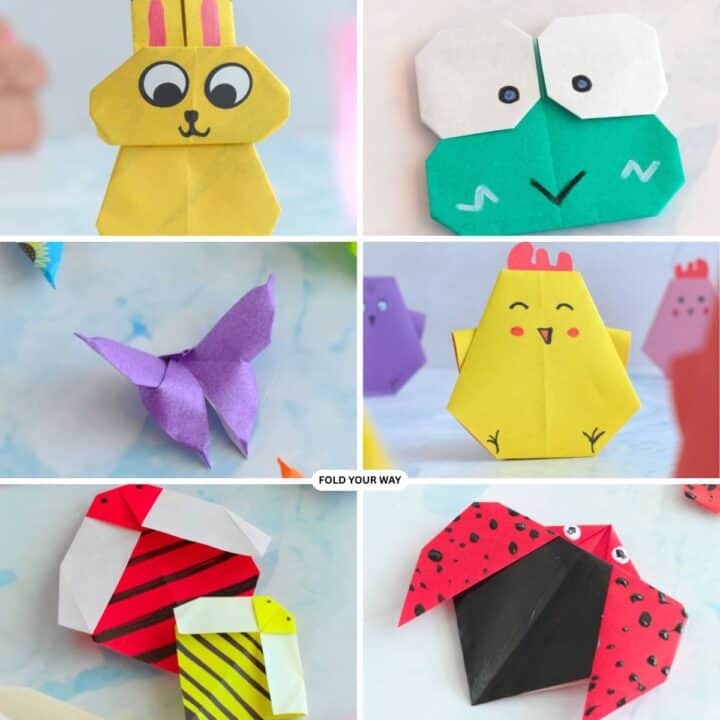
If you find yourself leaning toward more playful or decorative designs, you’ll probably enjoy exploring cute origami ideas, where things are more expressive and visually driven.
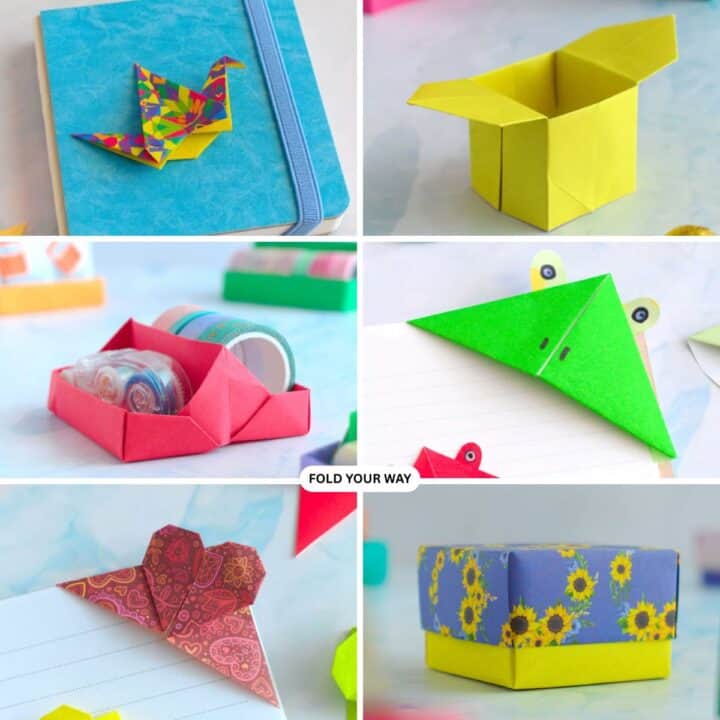
If you enjoy the idea of making things you can actually use or keep, easy origami boxes, bookmarks, and small paper crafts shifts more into functional and practical folding.
Starting With Simple Folds
When you’re just getting into origami, it usually starts with the simplest kind of curiosity, folding a piece of paper just to see what shape it turns into. There’s no pressure at this stage, and that’s kind of the point. It’s less about getting it perfect and more about getting comfortable with how paper responds in your hands.
This is where basic step-by-step guides become useful, especially ones that don’t assume you already know the language of folds.
A good example is origami step by step instructions, which keeps things slow and easy to follow so you can actually enjoy the process instead of worrying about mistakes.
Once you’ve done a few of those, you start to recognise patterns - how simple folds repeat across different designs, and how even small changes can turn something basic into something more interesting.
That’s usually the moment people realise origami isn’t as rigid as it first looks.
Playful And Simple Paper Ideas
Once you’ve got a few basic folds under your belt, it usually becomes less about “learning origami” and more about just trying things out and seeing what they become.
This is where simple paper projects feel more relaxed, not everything has to be precise or technical, it just has to be enjoyable to make.
Some of the easiest projects to start experimenting with are the kinds that don’t feel intimidating but still give you something fun at the end.
Things like small decorative builds or simple shapes that come together quickly tend to fit nicely here.
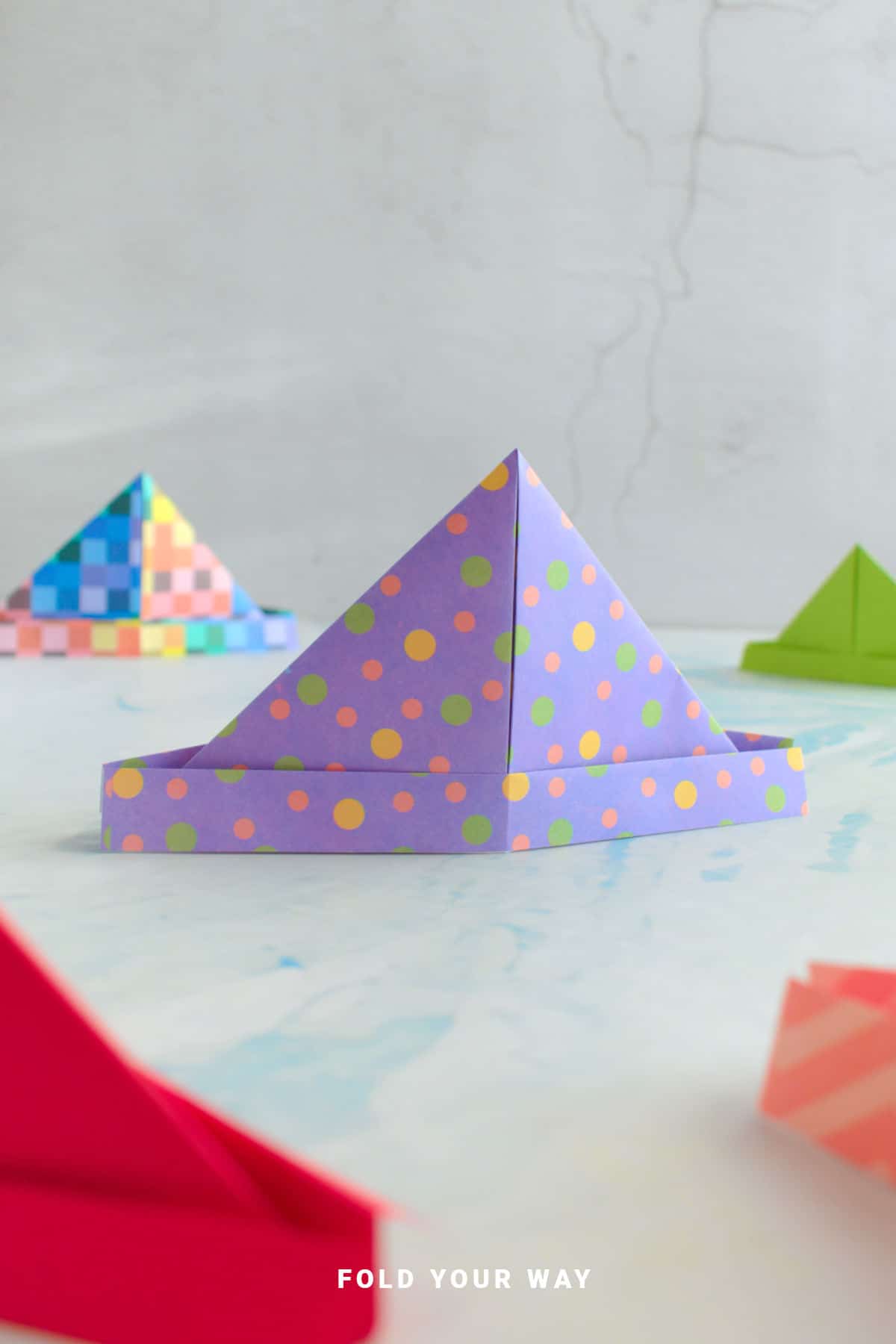
If you’re looking for straightforward, beginner-friendly projects that sit right in this space, how to make easy origami or origami for kids is a natural starting point. It keeps things simple without assuming you already know much about folding, which makes it easier to build confidence early on.
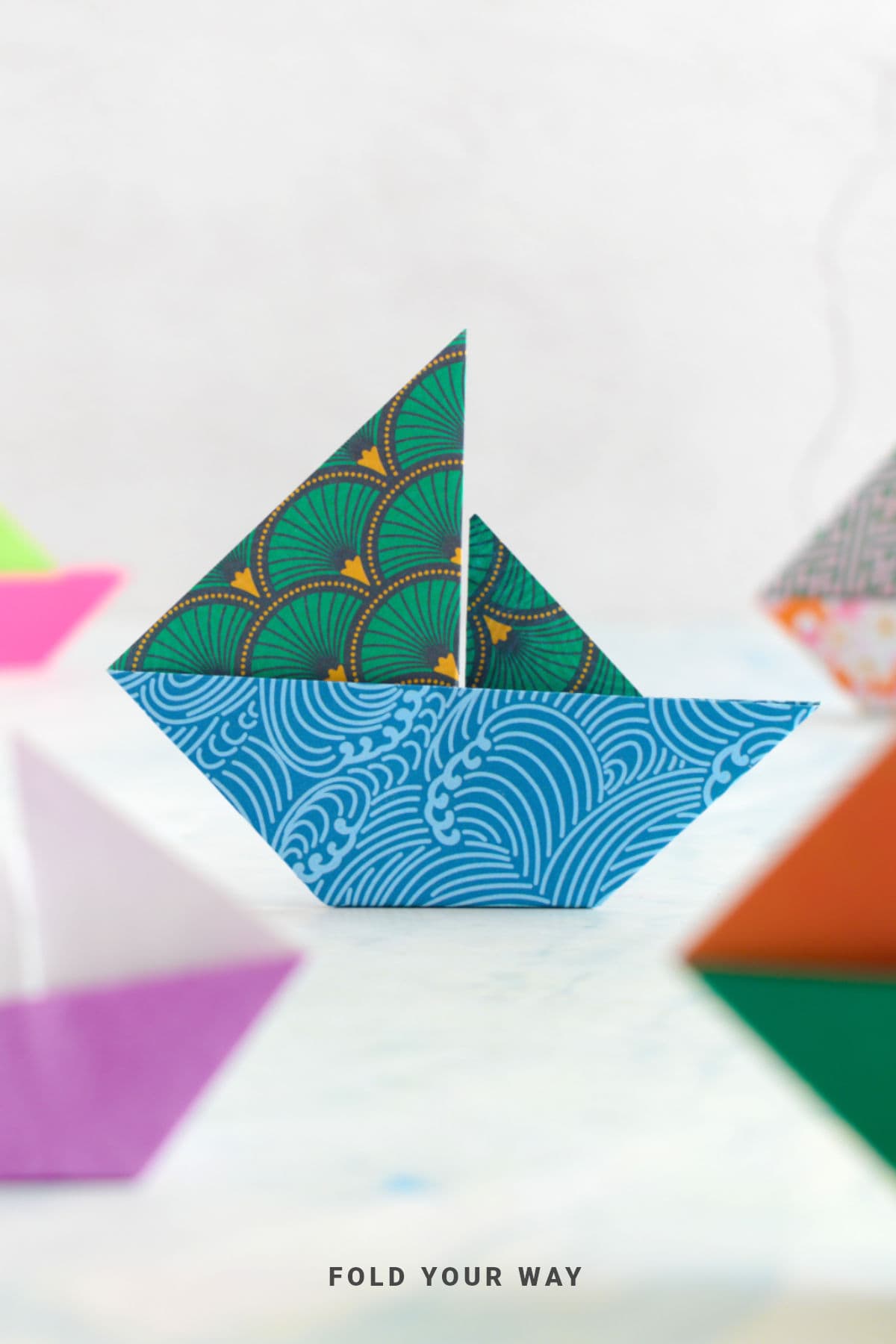
Even very simple finished shapes can feel surprisingly satisfying at this stage - especially small standalone projects like a 2D origami boat, which is quick to make but still gives you that sense of “I made this from paper.”
For something more decorative, a paper star tutorial is a nice way to explore simple folding symmetry without it becoming too technical, while an origami pinwheel adds a slightly more dynamic, playful result that feels light and fun rather than structured.
Functional Paper Crafts You Can Actually Use
At some point, origami naturally shifts from being something you just make for fun into something you actually start using in small, everyday ways.
It doesn’t always happen on purpose, you just realise certain paper folds are useful for holding things, decorating spaces, or adding a handmade touch to simple moments.
This is where more practical-style origami starts to feel satisfying in a different way. Instead of just ending up with something decorative, you’re making pieces that have a function, even if it’s a simple one.
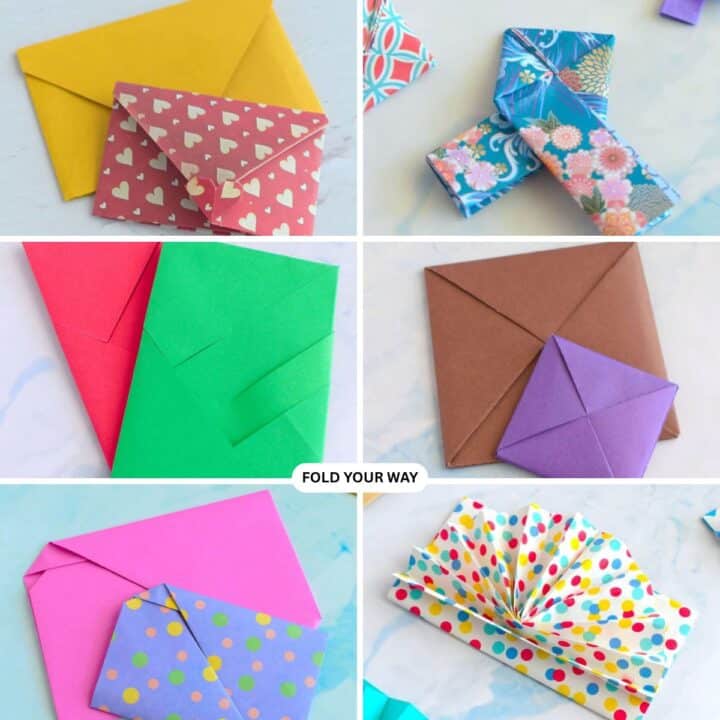
A good example of this kind of project is how to make easy origami clothes, which sits in that middle space between creative shaping and practical folding. This collection provides tutorials simple enough to follow without stress, but still feels like you’ve made something a bit more “real” than a basic shape.
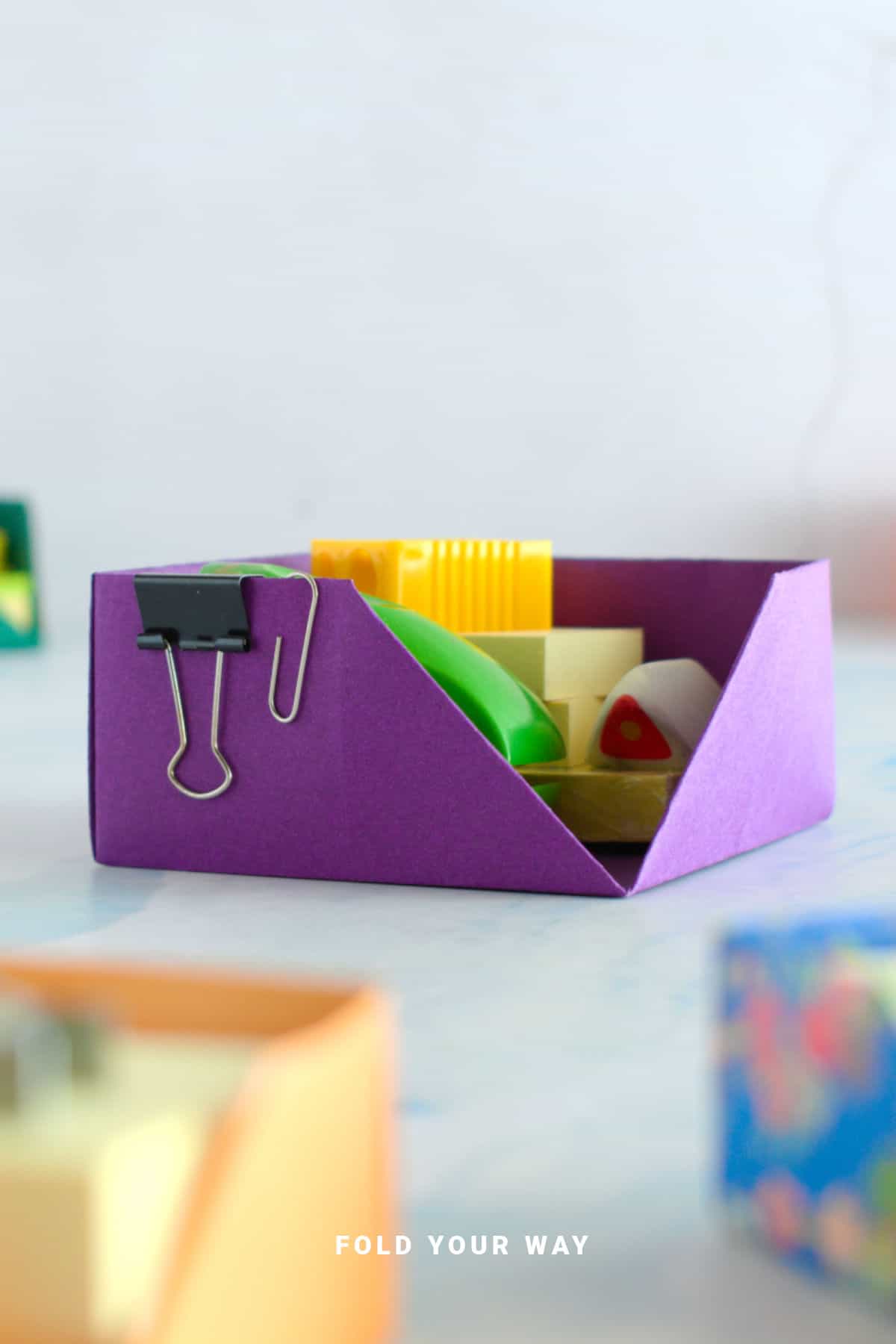
More structured functional designs also start to make sense here, especially when you want something that holds form well or can be reused. These kinds of folds tend to introduce more structure without becoming overly complicated, which helps bridge the gap between beginner projects and more intentional paper craft use.
Traditional And Step-By-Step Origami Learning Style
When you strip everything back, a lot of origami still comes down to the same core idea, following a clear sequence of folds and watching something simple gradually turn into a finished shape.
This is where traditional origami and step-by-step styles really make sense, especially if you prefer learning in a more structured way rather than experimenting freely.
There’s something quite grounding about this approach. Instead of jumping between different creative ideas, you’re working through a defined process, one fold at a time, and slowly building an understanding of how each step affects the final result.
It’s less about surprise and more about clarity, which is often what helps things start to “click” properly.
For many people, this is also the stage where confidence starts to build. Once you’ve followed a few clear instructions and seen consistent results, it becomes easier to trust the process and try slightly more detailed designs without feeling overwhelmed.
FAQ
No, this page is designed for complete beginners. Most of the ideas are based on simple folds and gradual learning rather than advanced techniques.
Regular paper works perfectly fine for most of the projects here, although origami paper can make folds look cleaner and easier to shape.
It depends on your style. Traditional step-by-step designs are great for structure, while creative projects are better if you want something more relaxed and playful.
Yes, many of the simpler designs can be used for small decorations, personal touches, or handmade gift details.
Stay Connected
Made this pattern? Let us know how it went in the comments below!
Pin this post - Pin now to take your paper crafting skills to the next level.
Share on Instagram or Facebook - Capture the beauty of your finished paper craft project and share it on Instagram or Facebook! Tag us @foldyourway so we can see your work!
Comments
No Comments